
Protective Styles That Keep Your Hair Healthy and Stylish
A thoughtful guide to choosing a look that respects your scalp, your schedule, and the way you want to feel. The appointment is on the calendar, and you are already imagining the first morning afterward. You will get dressed, add your earrings, and leave without negotiating with your hair for half an hour. That possibility can feel almost as appealing as the style itself.
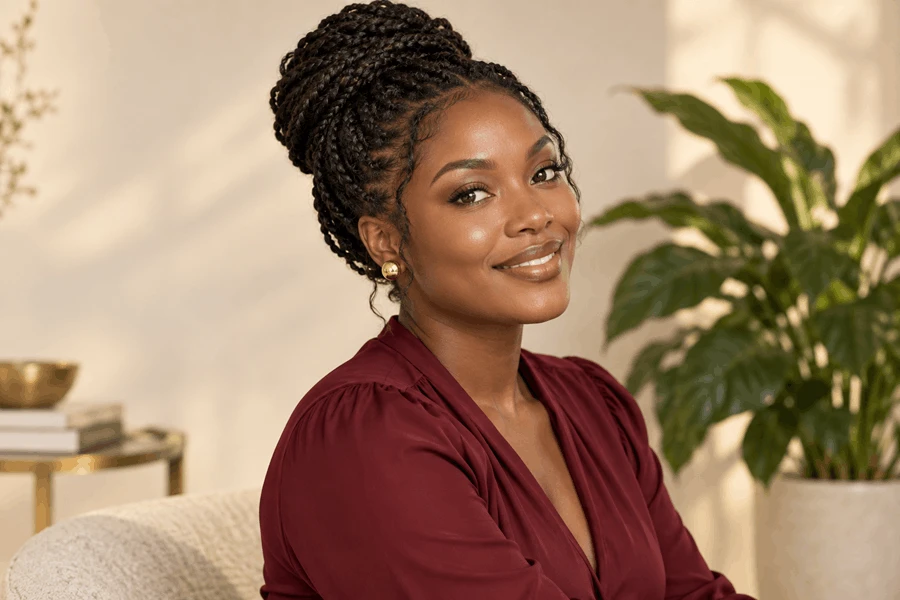
A thoughtful guide to choosing a look that respects your scalp, your schedule, and the way you want to feel.
The appointment is on the calendar, and you are already imagining the first morning afterward. You will get dressed, add your earrings, and leave without negotiating with your hair for half an hour. That possibility can feel almost as appealing as the style itself.
Braids, twists, wigs, and other arrangements can offer variety and convenience. They can also ask different things of your scalp, your budget, and your time. The word protective is a description of an intention, not a guarantee attached to a hairstyle. How a look is installed, worn, cared for, and removed matters.
A good choice begins with the life the style needs to fit. Perhaps you want an easier workweek, a beautiful vacation look, or a break from daily styling. Name that purpose clearly. It becomes easier to evaluate your options when you know what you are asking the appointment to give you.
Begin with your week, not the trend
Look at the next stretch of your calendar. Will you be swimming, working long shifts, attending an event, or traveling without your usual supplies? Do you wear a helmet, head covering, or headset? A style that is beautiful in a still photograph may be awkward in the activities that occupy most of your time.
Tell the stylist about those details before choosing the final look. Ask how the proposal can be adapted to your needs. You may prefer a different length, less added hair, a simpler arrangement, or easier access for care. These adjustments can make the style feel more personal rather than less impressive.
Also consider the ending. If you have only one free evening before a demanding week, an intricate takedown may be inconvenient. The style is part of a cycle, and the appointment price does not include every hour you will spend with it afterward.
Understand what the research actually warns about
A clinical review of traction alopecia identifies repeated tension as a source of follicle injury; prolonged pulling can lead to permanent loss. This is why a hairstyle's fashionable name cannot establish its safety. The forces applied to your own hair matter. Billero and Miteva, Clinical, Cosmetic and Investigational Dermatology, 2018 (https://pmc.ncbi.nlm.nih.gov/articles/PMC5896661/)
That evidence does not mean you must abandon every style you enjoy. It means comfort, individual history, and maintenance deserve a place in the beauty conversation. A skilled practitioner should be able to discuss those things without making you feel that you are spoiling the artistry.
If you have current hair loss or a scalp condition, ask a dermatologist which considerations apply to you before committing to a style that could complicate care. You do not need to diagnose yourself from a picture. You need a plan that takes your actual situation seriously.
Braids: ask about more than the pattern
Braids offer many visual possibilities, from understated arrangements to intricate designs. When discussing them, ask about the amount of added hair, the proposed length, the installation process, and how you will care for your scalp. The picture you bring is the beginning of a consultation, not its conclusion.
Be specific about how you like to wear your hair day to day. If you expect to gather the finished braids into an updo, discuss that rather than assuming every installation will feel equally comfortable in every arrangement. A practical conversation now can prevent disappointment later.
Ask to see work on clients with hair characteristics relevant to yours. A portfolio showing only one type of result may not answer your questions. You are looking for evidence that the stylist can adapt their work, explain their choices, and listen when you describe a concern.
Twists: consider the version you actually want
The word twists can refer to very different looks and maintenance experiences. Clarify whether you are discussing your own hair, added hair, a particular size, or a specific finish. Shared vocabulary helps prevent you and the stylist from agreeing enthusiastically to two different plans.
Think about the appearance you enjoy over time, not only on installation day. Do you like a softer look as a style settles, or do you become uncomfortable when it changes? Being honest about that preference can help you choose something you will enjoy without constantly trying to restore the first day's photograph.
Ask what care will involve and which supplies are genuinely necessary. You should leave with instructions you understand, not a collection of vague warnings and products you cannot identify. If an instruction seems complicated, request a demonstration or a written explanation before you go home.
Wigs: include the hair underneath in the plan
A wig can offer flexibility, but it does not remove the need to care for your own hair and scalp. Discuss the underlying arrangement, attachment method, fit, cleansing access, and removal. The part other people see is only one part of the experience.
If an adhesive or attachment method is proposed, ask about its instructions, removal process, and suitability for your situation. Do not improvise with products that were not intended for the purpose. If something causes irritation, discomfort, or damage, stop and seek appropriate advice rather than covering the problem and continuing.
You may prefer a setup you can remove easily at home, or you may value professional help. Those are practical preferences worth stating. The best choice is one you can use and maintain comfortably, including on evenings when you are tired and do not want a complicated beauty task.
Decide how much maintenance you want to own
Some women enjoy maintaining a detailed style. Others want the simplest possible instructions. Neither preference is a character trait. Consider your current time, mobility, budget, and interest before agreeing to a look that demands more care than you want to give it.
Ask what you will need to do at home, what requires another appointment, and which changes mean you should contact the stylist. A clear plan includes when and how to remove the style. Avoid treating the longest possible wear as the best possible value.
Schedule the next step while you still have choices. Waiting until you are uncomfortable and your calendar is full can make care feel like an emergency. Even a tentative plan for takedown or reassessment can help you enjoy the style without pushing every decision into the future.
Speak during the appointment
You do not have to wait until the work is finished to mention discomfort. Say where you feel pulling or pressure and ask the stylist to assess it. It is easier to make adjustments when the area is being worked on than after you have paid, traveled home, and tried to convince yourself everything will be fine.
Notice the response. A respectful professional should take your report seriously. If you feel pressured to ignore your own discomfort, you can ask to pause. The awkwardness of a conversation is a smaller burden than wearing a result you cannot comfortably live with.
This can be difficult if you were taught that sitting quietly is part of being a good client. Practice a simple sentence beforehand: “This area feels uncomfortable; can we adjust it?” You do not need a speech or an apology. You are providing information about your own body.
Keep your style from becoming a competition
A style does not have to be the longest, smallest, fullest, or most intricate version to be beautiful. Social media can make subtle choices feel unfinished because dramatic results attract attention. Your daily comfort deserves a stronger vote than the demands of a scrolling audience.
Think about the details you truly enjoy: the way the style frames your face, how it works with your clothes, the ease of getting ready, or the pleasure of trying something unfamiliar. Those are personal benefits. They do not become less valuable because someone else chose a more elaborate look.
You can also change your mind about what you want. A style you loved two years ago may no longer suit your work, budget, or taste. Let that be ordinary. Personal style becomes more interesting when it is allowed to evolve with the woman wearing it.
Take the ending as seriously as the entrance
Plan removal with enough time and attention to avoid turning it into a rushed late-night battle. Ask your stylist for the appropriate process and whether professional removal would be useful for your particular installation. If you are uncertain about an attachment or tangled area, get help before making an irreversible decision.
After removal, notice how your scalp and hair feel. Record any concern you want to discuss before the next appointment. Avoid immediately repeating a setup that caused problems simply because you liked the finished photograph or already know what to ask for.
You may choose the same look with adjustments, a different style, or a period of wearing your hair another way. The decision can come from experience. You are learning what works for you, and that knowledge is part of the value of each appointment.
Leave room for delight
Thoughtful planning does not have to take the excitement out of getting your hair done. There is still the anticipation, the conversation, the first look, and the small pleasure of finding the right earrings. Care and delight can share the same appointment.
Imagine leaving with a style you love and a plan you understand. You know how to look after it, when to ask a question, and what the next step will be. You can enjoy the look without hoping that uncertainty is simply part of the price of beauty.
A protective style earns its place in your routine through the experience it gives you, not only the name it carries. Choose with your own week in mind. Speak while you are in the chair. Let the result be something you can move through your life in—comfortable enough to forget for a while, beautiful enough to smile when you remember.
© 2026 TopBlackBeauty.com

As a passionate news reporter, I am fueled by an insatiable curiosity and an unwavering commitment to truth. With a keen eye for detail and a relentless pursuit of stories, I strive to deliver timely and accurate information that empowers and engages readers.
Comments (0)