
Your Weekend Outfit, Reimagined
Comfortable clothes, thoughtful details, and room for the plans you actually want to enjoy. A free morning can begin with the same old negotiation: you want to be comfortable, but you also want to feel as though you have chosen your clothes rather than simply found them. Perhaps you are meeting a friend, visiting family, walking through a market, or leaving the house without a strict plan. The day does not need formal clothing, yet it can still hold the pleasure of looking like yourself.
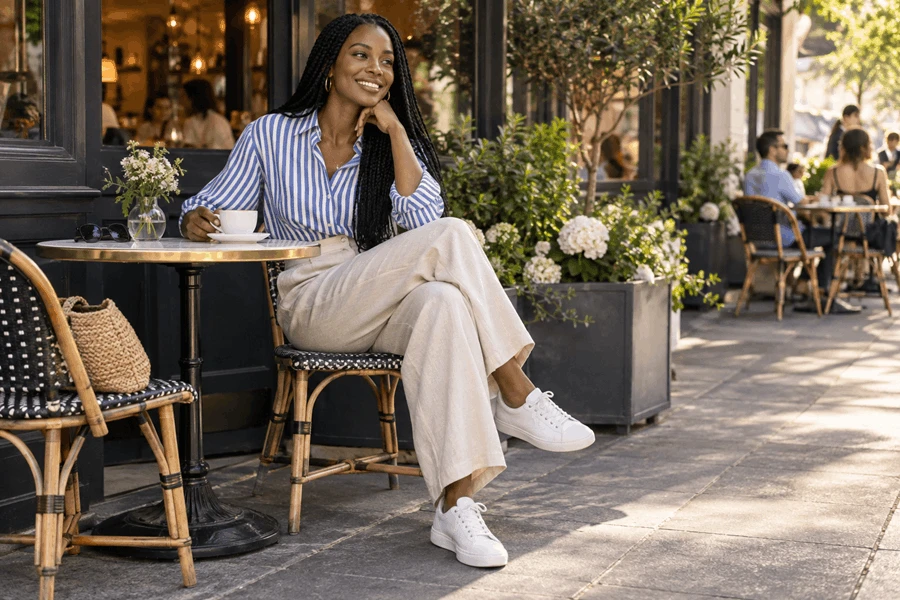
Comfortable clothes, thoughtful details, and room for the plans you actually want to enjoy.
A free morning can begin with the same old negotiation: you want to be comfortable, but you also want to feel as though you have chosen your clothes rather than simply found them. Perhaps you are meeting a friend, visiting family, walking through a market, or leaving the house without a strict plan. The day does not need formal clothing, yet it can still hold the pleasure of looking like yourself.
Weekend style works best when it starts with the actual shape of your time. A long walk, a relaxed meal, errands with children, or an afternoon at home will make different demands. You do not need to dress for an imaginary sequence of photogenic activities if your real plans involve carrying groceries and sitting comfortably in the car.
There is room between elaborate dressing and an outfit that feels neglected. A favorite shirt, comfortable trousers, useful shoes, and one detail you enjoy may be enough. The aim is ease with intention: clothes that support the day and leave you free to notice something other than what you are wearing.
Decide what comfort means today
Comfort can involve more than softness. You may want fabric that feels breathable in warm weather, a waistband that remains pleasant while seated, pockets that hold what you need, or a layer you can remove easily. Name the practical conditions of the day before selecting the outfit.
If your plans involve walking, start with the shoes. Build the rest around a pair you already know is comfortable for that amount of movement. A stylish sneaker, loafer, sandal, or other suitable shoe can work with many casual combinations. The useful choice is the one appropriate to your feet, the activity, and the setting.
Think about carrying things, too. A bag that leaves your hands free may suit errands or an outing with children. A smaller bag may be enough for lunch. You can choose something visually pleasing while acknowledging that capacity and access are part of the outfit's usefulness.
If the day includes very different activities, decide whether one outfit can reasonably serve them. Sometimes a change of layer or shoe is enough. Sometimes a second outfit is simpler than forcing one set of clothes to meet incompatible demands. Practical planning can preserve the feeling of a relaxed day.
Give the familiar combination a new detail
Begin with the casual outfit you reach for most often. Perhaps it is jeans and a T-shirt, a simple dress, or soft trousers with a shirt. Keep the comfortable foundation and change one element. Add a light jacket, try another neckline, or choose a shoe that gives the same clothes a different feel.
A striped shirt can bring interest to plain trousers without requiring much coordination. A shirt worn open over a simple base may feel easier than a fully buttoned arrangement. A casual dress can change character with a denim jacket or a lightweight knit. These are possibilities to test, not a formula that must work for everyone.
Consider proportion. If both pieces feel loose in a way you do not enjoy, try a partial tuck, a different hem, or a more defined outer layer. If the outfit feels restrictive, loosen the arrangement. The aim is a balance you like while moving, rather than a silhouette chosen to correct supposed flaws in your body.
Small accessories can make a familiar outfit feel deliberate. Comfortable earrings, sunglasses suited to your needs, or a scarf can add a recognizable detail. You can also decide that the fabric, color, or shape of the clothes already provides enough interest. Casual dressing does not require decoration to count as style.
Remember that clothes live inside relationships
Sophie Woodward's Why Women Wear What They Wear (https://www.bloomsbury.com/au/why-women-wear-what-they-wear-9781845206994/) uses ethnographic attention to women's everyday clothing choices, including the social contexts in which dressing happens. The work offers a useful perspective on why a supposedly simple casual outfit can carry questions about identity, familiarity, and being seen.
You may dress differently to visit an elder, spend time with friends, or enjoy an afternoon alone. Those variations do not necessarily mean your style is inconsistent. They can reflect the different parts of your life and the ways you want to participate in them. Personal style can have several comfortable versions.
At the same time, notice when you are dressing entirely to avoid someone's criticism. A family gathering may stir old comments about your body, age, or taste. You can make a considerate choice for the occasion without accepting every judgment as useful guidance. Your own comfort remains part of the decision.
A relaxed outfit can also mark a welcome transition from work. Perhaps taking off structured clothes helps you feel that the week has ended. Perhaps you enjoy dressing a little more carefully because your job requires a uniform. Let the weekend respond to your life rather than to one universal image of leisure.
Make simple fabrics feel considered
A casual outfit can gain interest through texture: a cotton shirt beside denim, a light knit over a smooth dress, or linen with a woven bag. You do not need many colors for the combination to feel rich. Notice the surfaces, weight, and movement of the pieces you already own.
Choose garments with care requirements you can realistically manage. If a supposedly easy weekend piece needs constant pressing or special cleaning you dislike arranging, it may not feel easy in practice. There is no single correct fabric for leisure; suitability depends on the garment, climate, care routine, and your preferences.
Wrinkles can be part of some fabrics' ordinary character. Decide what you are comfortable with rather than expecting every material to remain perfectly smooth. A relaxed linen outfit and a crisp cotton shirt offer different effects. Neither needs to be judged by the other's appearance.
Check the condition of pieces you wear frequently. A loose button or a worn fastening may need attention, while a beloved faded garment may still be exactly what you want. Care does not require every item to look new. It means keeping clothes usable and choosing their appearance deliberately.
Dress for being in the day
If you are going somewhere outdoors, look at the weather and terrain before deciding. A hem that drags, a layer that is too warm, or shoes unsuitable for the surface can become more noticeable than any styling detail. Practical clothing lets you stay interested in the outing itself.
For a casual meal, think about sitting as well as arriving. A waistband should remain comfortable after you settle into the chair. A sleeve should not make eating awkward. You are allowed to choose the outfit that lets you enjoy the food and conversation without repeated adjustments.
At home, your clothes can still offer pleasure. A comfortable set, a soft dress, or a favorite shirt may make ordinary time feel more considered. You do not need an audience to justify wearing something you like. Nor do you need to turn rest into another occasion requiring a polished image.
If your weekend includes caregiving or physical tasks, give those needs priority. Washable fabrics, secure details, and useful movement may matter most. You can add personality within those practical requirements through color or a familiar shape, without pretending that every day leaves room for delicate clothing.
Build two or three reliable options
Instead of planning endless outfits, identify a few combinations that cover your usual activities. One might serve walking and errands, another a casual meal, and another an at-home day. Keep the pieces accessible and record the combinations if that helps. A little preparation can reduce decision-making when you want the day to feel open.
Make a warm-weather and cool-weather version where needed. A light shirt can become a layer over a base top; a dress may work with a jacket; trousers can pair with different weights of knitwear. The clothes do not have to serve every season, but useful overlaps can make the wardrobe more flexible.
Leave room for a spontaneous invitation by knowing one small adjustment that changes the outfit's mood. You might add earrings, change a bag, or replace an outer layer. If the new plan requires something genuinely different, it is fine to change. Versatility should make life easier rather than become another standard to meet.
If you are packing for a short visit, test the combinations before folding them into the bag. Include one useful extra layer and avoid adding shoes that do not suit the planned activities. A small selection you know how to wear can leave more space, physically and mentally, for enjoying the time away.
Let casual style belong to you
There is no requirement to dress as though every weekend were a vacation advertisement. Your free time may be brief, crowded with responsibilities, or spent close to home. A good outfit respects those realities. It gives you comfort and a little pleasure within the day you actually have.
You may find that the simplest successful combination becomes a favorite. The shirt feels right, the shoes let you walk, and one small detail makes you smile. Wear it again. Familiarity can be part of leisure, a welcome absence of complicated decisions after a demanding week.
Then let the clothes recede. Order the meal, take the walk, stop at the stall that interests you, or sit with someone whose company you enjoy. The outfit has done enough when it allows you to participate comfortably. The rest of the day is yours to notice.
© 2026 TopBlackBeauty.com

As a passionate news reporter, I am fueled by an insatiable curiosity and an unwavering commitment to truth. With a keen eye for detail and a relentless pursuit of stories, I strive to deliver timely and accurate information that empowers and engages readers.

Comments (0)